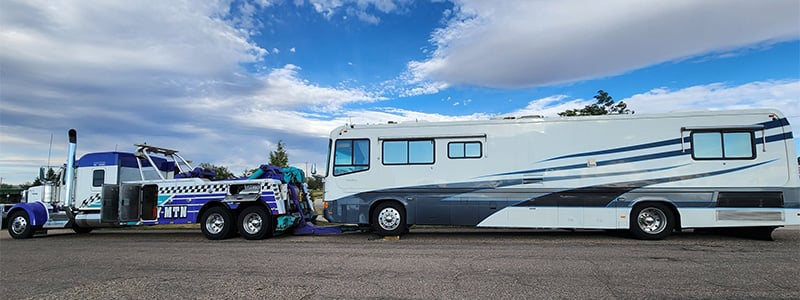
“It costs HOW MUCH to tow my motorhome three and a half miles!?! How does that add up?”
The Reality Behind Towing Industry Stereotypes
The towing industry is grossly misunderstood. People’s idea of a tow operator is a big guy, in overalls, with a few missing teeth and marbles between his ears. Stereotypes like this get perpetuated in movies like Cars, where Tow Mater was a lovable buck tooth not well educated older tow truck and one of the only vehicles that wasn’t shiny and new.
This couldn’t be further from the truth.
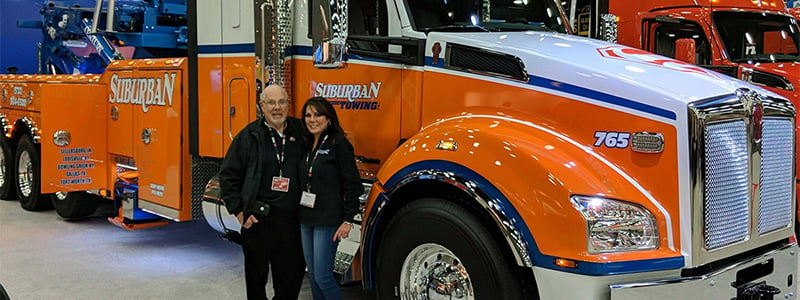
Tow operators are highly skilled and highly trained individuals, not only operating millions of dollars worth of their own equipment, they also are responsible for their customer’s vehicles and equipment too!
So how does a “simple” motorhome being towed 3 and half miles end up with a $750 invoice? I spoke with Kurt Wilson, of Rideout’s Tri-State Towing in Owensboro, KY. Kurt has been in the industry for over 30 years, is a certified WreckMaster and has worked on thousands of tows.
“Motorhomes are a home built on a car: two things not meant to coexist. And not meant to be towed. When we get calls like this, we always take the time to explain our invoice. Many people are confused why a “simple” tow takes three hours and costs hundreds of dollars.”
Wilson explained to me how misconceptions often result in misunderstandings and sometimes, permanent damage.
“Imagine all the different vehicles on the roads today, from classic cars, to new cars, sports cars, motorhomes, construction vehicles, semis… just to name a few. There’s front wheel drive, rear wheel drive, all wheel drive. Add the EVs. Every single one of those vehicles has different towing specifications. And in the case of accidents, that presents a whole new set of challenges, especially if wheels are bent or axles are damaged.”, explained Wilson.
Tow operators have to be versed in every single vehicle. This means there is time and money invested in continuous improvement and training. Additional equipment, like special tools to assist in driveline removal, axle covers, hand tools, cordless impacts and dollies may be needed.
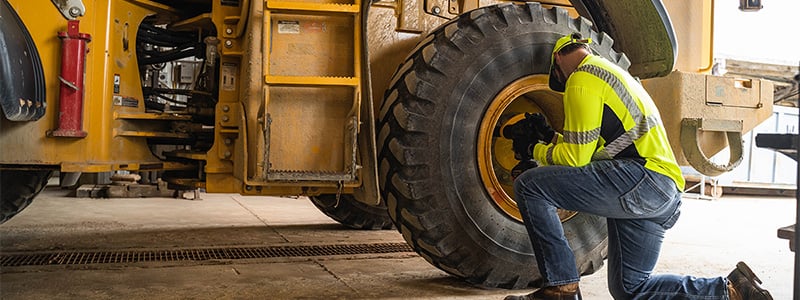
“In order to ensure we complete every job safely, we are not only training, but also ensuring our team has the proper apparel and equipment. Like everything else, the prices of these inputs have also risen dramatically since 2020.”, said Wilson.
Why Motorhome Recovery Requires a Three-Hour Minimum
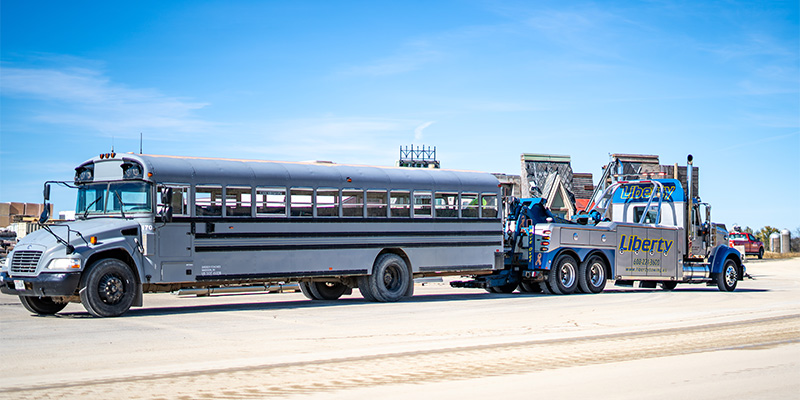
So why a three hour minimum for moving a broken down motorhome?
The answer is simple according to Wilson, “Most of the time it will take that long to perform the service.”
A motorhome is not a car. The tow operator dispatched to help you, must have a special license called a “Commercial Driver’s License” or CDL. In order to properly tow it, you must first examine it to determine what’s wrong with it. As many of these broken down motorhomes are on the shoulder of a busy highway, this may not be a straightforward process.
Operators may set up cones, as well as calling out a secondary vehicle to provide advance warning using a message board and flashing lights to prevent crashes.
A good operator will either have disposable shoe covers or plastic lining to prevent getting the inside of the motorhome dirty. These aren’t precautions they don’t normally have to take. When towing a motorhome, as the name says, this is someone’s home. It could be a temporary home used for vacation or a permanent home used by a couple living out their bucket list. Extra care needs to exercised.
Very few salespeople broach the subject of breakdowns at the time of purchase. Can you blame them? These people are spending a lot of money to buy their dream, the last thing they want to hear is how expensive it is to get towed or how difficult it can be to find a repair shop willing to work on it!
Complex Rigging, Driveline Protection, and Transport
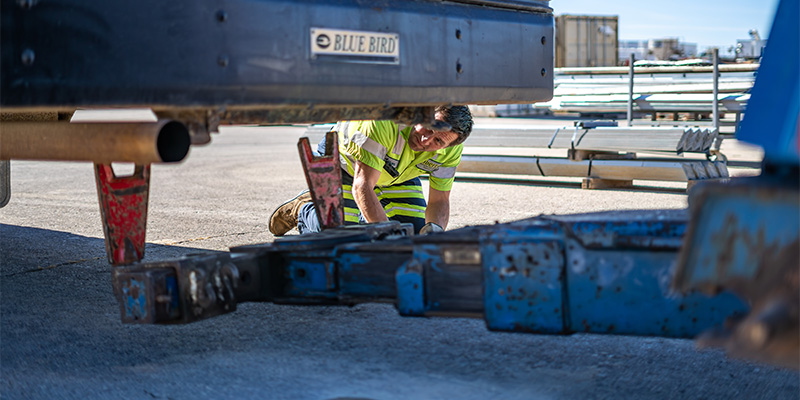
Next, and extremely time consuming, are the precautions you take to prevent any further damage. This may entail removing the driveline or axles. In other words, making sure the wheels can spin freely, so the transmission is not damaged during the tow. When towing a vehicle, you still need lighting, including brakes and turn signals. This may involve connecting to the existing system, or the addition of tow lights on the back of the motorhome. The back of a motorhome does not always have places to hook the wireless or wired tow light. The tow operator must prevent the motorhome from being scratched, while trying to attach the tow light.. Extra time will be used to prevent any damage done. Some operators, have even gone so far as to make a bracket which fits into the hitch to secure the light bar.
Once you have secured the scene, you must lift the vehicle and then tow it. The bodies of these vehicles are closer to the ground which limits access for the under reach. The underreach is the part which lifts the motorhome by the the frame or suspension. If the vehicle has been pulled off the road onto the shoulder, this creates another problem as the passenger side or the side that is on shoulder will be sitting lower than the driver’s side.
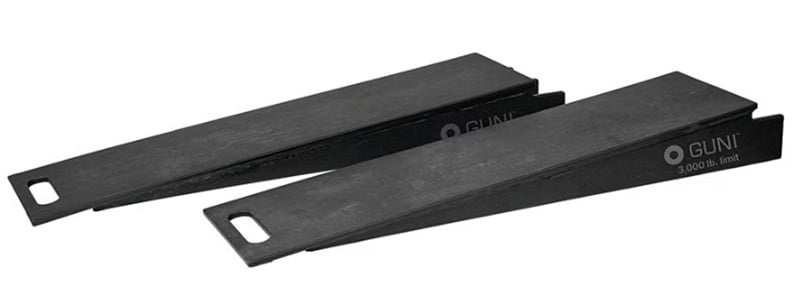
Since there are rarely any attachment points made for lifting, the under lift will be used to perform a double pick. This is when the vehicle will be picked up and set on wheel stands or blocks of wood. This increases clearance to get the under lift under the frame and then a tool called frame forks can be used to safely transport the coach. It’s also an additional step, which takes time.
And sometimes, there is no place to fork, the operator will have to use a different tool called “Bus Bars” to lift the motorhome by the wheels. This system is heavy and difficult to use. Most operators detest it.
Getting back to the yard or repair shop can pose another set of challenges as the length and weight of the vehicles together can be too long for some turns. Operators must ensure they can safely get these vehicles back to their yard or the shop.
Once you’ve arrived at the destination, many of the processes are repeated in reverse. Lowering the vehicle, unhooking the lights, removing any tools or equipment.
“Explaining to the customer why there is a three hour minimum in lieu of a set rate prevents any type of dispute when the job has been completed.” said Wilson.
Choosing the Right Professional Towing Company
Unfortunately, tow operators and their pricing structures are misunderstood, and to the detriment of everyone, sometimes very poorly explained. This may lead to customers calling around to find the cheapest rate. Not every tow company has the knowledge or equipment to handle every job and there are many stories of inexperienced operators damaging vehicles because they skipped steps, or simply didn’t know what to do.
“Luckily, there are thousands of reputable companies across the US and Canada.”, explains Kurt. “Whenever possible, a good operator will take the time to explain the invoice to you and get your approval beforehand.”
If you own a motorhome, or are considering making the investment, it’s important to understand the costs and implications of a breakdown. Your $500,000 motorhome is not a 1997 Toyota Corolla, you’re comparing apples to…. Breakfast cereal! It’s just not the same.
What’s important is finding the the right company who will treat both with care and do the job right.
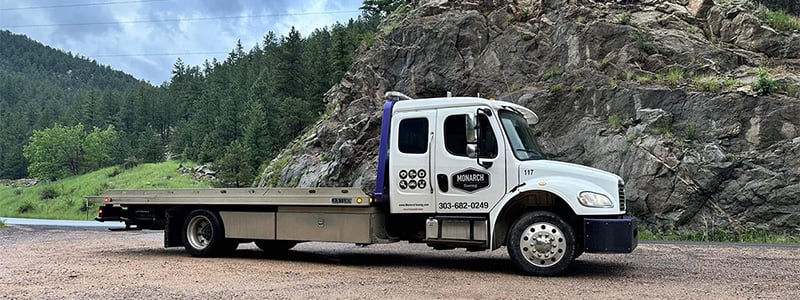
Heavy duty tows require much more time and equipment than a standard vehicle.
Notes
Kurt Wilson currently works out of Owensboro, KY at Tri-State Towing and Recovery. He is a an 8/9 Certified WreckMaster. If you or team is interested in WreckMaster Training, visit wreckmaster.com to learn more.
Key Takeaways
- Towing Rates Reflect Time and Skill, Not Distance: Short distance motorhome tows carry higher costs because the labor, equipment, and setup required are far greater than standard car towing.
- Motorhomes Demand Specialized Heavy-Duty Recovery: Towing an RV involves unique mechanics like double picks, frame forks, or bus bars, requiring specialized CDL drivers and continuous professional training.
- Extensive Damage-Prevention Protocols: Operators take extra time to disconnect drivelines/axles to protect the transmission, set up temporary lights, and safeguard the interior and exterior finish.
- Safety First On-Scene: Establishing highway safety zones with warning vehicles and proper equipment adds significant time to the towing process.
- Quality Over the Cheapest Quote: Hiring inexperienced towing companies can lead to costly vehicle damage; reputable companies prioritize transparent invoicing and proper recovery procedures.